Versatile craft kits are changing the way people get into creative projects from home. For anyone who likes to dabble in more than one art form, as I do, or looks for all-in-one options, these multi-project craft kits are honestly pretty handy. In this article, I’ll break down what makes these kits worth checking out, the types you’ll find, what to look for when picking one, and a few tips for getting the most out of your crafting time.
What Makes Multi-project Craft Kits So Appealing?
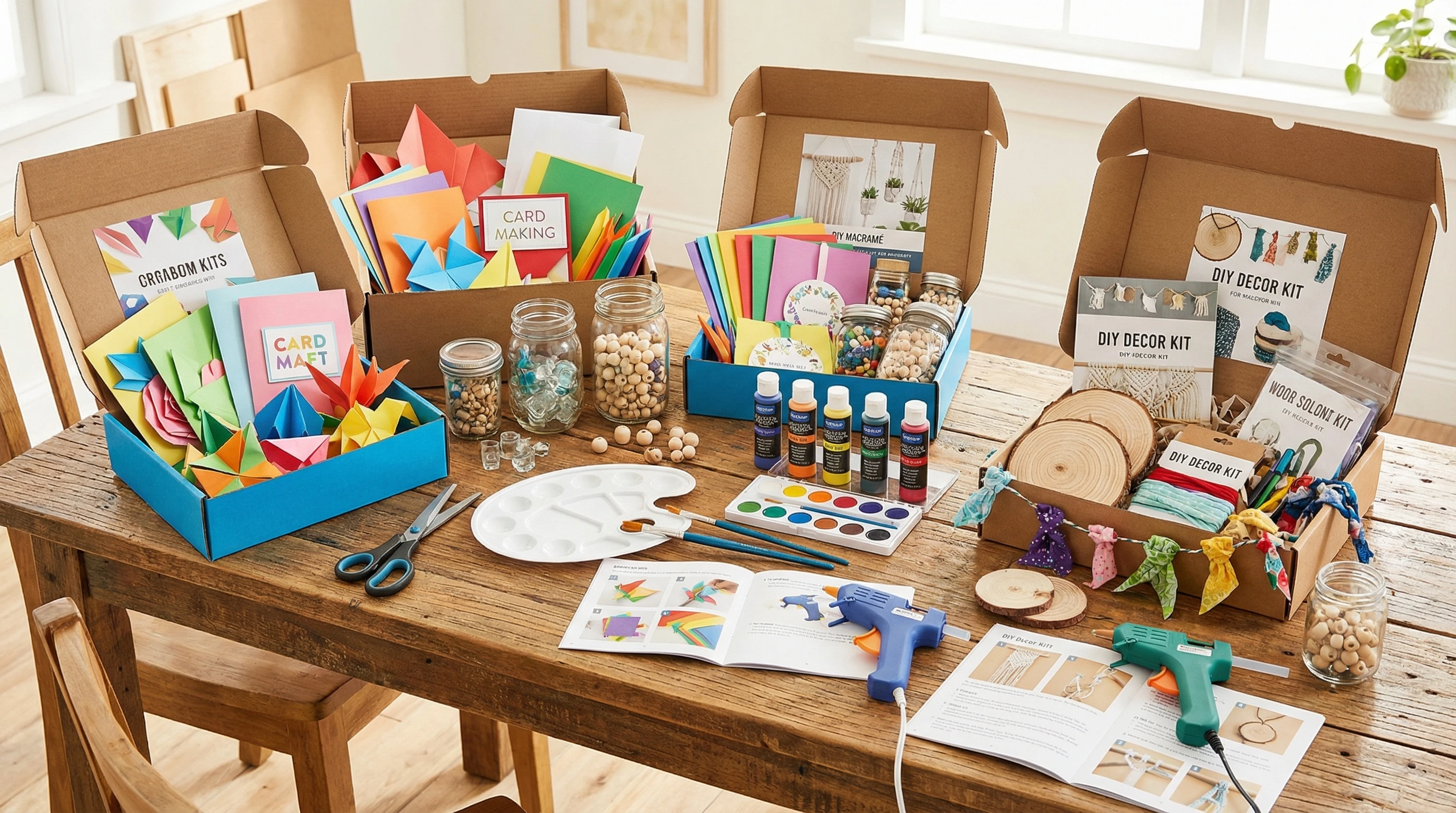
Multi-project craft kits offer a whole bunch of possibilities packed into one box. Instead of just sticking to one project, you get hours of fun across a variety of activities like painting, jewelry making, origami, and even more advanced mixed media art. These kits are especially popular for families, friend groups, or anyone with a hobby that shifts week to week.
The craft kit market has grown quite a bit over the last few years, with a sharp increase in people turning to hands-on, screen-free pastimes. A big driver behind this trend: craft kits take away the stress of gathering a zillion different supplies and make it simple to get creative right away.
Kits today cover almost any age and skill level. I’ve seen multi-project kits for little kids that focus on simple, mess-free crafts, and others that include projects even experienced crafters find satisfying. The variety in these kits is a big reason for their popularity—they help you experiment without having to buy into a whole new hobby just to try something new for an afternoon.
Types of Multi-project Craft Kits Worth Checking Out
There’s a lot out there, so knowing what types actually exist helps narrow things down. Here are some well-loved styles I keep coming back to:
- All-in-one Art Kits: These come with painting supplies, colored pencils, paper, and sometimes clay or sculpting materials. Think of them as starter packs for anyone who loves to mix up mediums.
- Jewelry & Beading Sets: Kits that offer several jewelry types like bracelets, necklaces, charms, and even wire wrapping. They’re good for solo work or as party activities.
- Papercraft & Card Making Bundles: Like origami, quilling, card decoration, scrapbooking—pretty much anything involving paper in different shapes and styles.
- Sewing & Textile Sets: These kits may have mini embroidery hoops, felt craft, punch needle, or even weaving frames for a mix of simple textile projects.
- STEM & Craft Fusion Kits: Some crafty sets double as learning kits, merging things like robotics with hands-on art. Expect simple circuitry, model building, and take-home projects that double as decor or toys.
Getting Started with Multi-project Craft Kits
Before opening a new kit it is helpful to get familiar with what’s inside and set up a dedicated crafting space. Even though kits are meant to be low hassle by providing everything you need, it’s handy to read through the instructions (and maybe preview all the projects) before picking where to start.
Most multi-project craft kits come with a booklet or online video guides. I usually look for:
- Material List: Double check if you need extras like scissors, glue, or a workspace covering.
- Safety: Especially for kids’ kits, keeping things safe and tidy is a good move. Placing beads or small pieces in small bowls helps prevent messes.
- Skill Builder Notes: Some kits highlight which projects are beginner friendly and which might need more patience or focus.
It’s also helpful to make sure your work area has plenty of light and a surface that’s easy to clean. Crafting can get a bit messy, especially with painting or gluing, so laying down some newspaper or a craft mat goes a long way. Keeping everything organized from the start helps you spend more time having fun and less time searching for lost supplies.
Step-by-Step Guide: Making the Most of Your Craft Kit
Making your way through a big multi-project kit is fun, but I’ve learned that a bit of planning goes a long way. Here’s how to keep crafting sessions fresh and frustration free:
- Look Through the Whole Kit: Get familiar with the types of crafts and supplies provided before committing to the first project.
- Pick an “Easy Win” Project: Starting with a project you can finish quickly gives you a quick creative boost and confidence for trickier ones.
- Sort Your Supplies: Keeping materials grouped by project stops things from getting lost or mixed up.
- Share (If You Want): Many kits are designed for groups. Setting up a craft night with friends or family can make things even more fun.
- Embrace Trial and Error: Not every project will turn out perfectly. If one isn’t going how you imagined, tweak or personalize it; sometimes the “mistakes” are what make your piece stand out later.
Following these basics helps make each kit session feel new, even if you keep returning to your favorite types of crafts. Plus, you might find you really enjoy a project you didn’t expect. Don’t be afraid to jump in and experiment, since the materials are all provided, and it’s all about letting your creativity roam.
Things to Think About Before Buying a Multi-project Craft Kit
Even if a box looks amazing, not all kits deliver the same experience. Here are a few details to look for before buying:
- Material Quality: Checking reviews or closeup images helps you avoid flimsy supplies that might take the fun out of crafting.
- Instruction Clarity: Clear, step-by-step guides—either in print or video—make a big difference, especially for trying new techniques.
- Age Appropriateness: Some kits are genuinely complex, while others keep things simple for younger crafters. Picking the right level makes things way more enjoyable.
- Project Variety: The best kits offer a mix; look for those that balance quick, easy wins with more involved crafts so you won’t get bored.
- Reusable Materials: I really like when kits have tools or supplies you can use again after you finish the included projects. For example, scissors, trays, or storage containers are always useful to keep for future creations.
Material Quality
I’ve had the best luck with kits that focus on strong, nontoxic materials and vibrant pigments or beads that don’t fall apart easily. Good supplies actually make the end product feel more worth keeping or gifting.
Instruction Clarity
Sometimes kits are translated from other languages, and unclear wording can get confusing. I try to find kits that include plenty of photos for each step or offer additional help online.
Age Appropriateness
If you’re buying for a young child or a mixed age group, checking the age range and previewing the activities is super important to keep things safe and fun for everyone.
Project Variety
Kits that offer seasonal projects, different material types, or options to make multiples of the same item help stretch out the creativity. I often use leftover bits for other crafts down the road.
Troubleshooting and Expert Tips
Even seasoned crafters sometimes run into bumps using these kits. Here are some quick fixes and hacks to help avoid or address those bumps:
- If Supplies Run Out Quickly: Supplement with things you have at home, like scrap paper, string, or stray beads.
- Glue Not Holding: Double up with a stronger adhesive from your toolbox if the kit glue is too weak.
- Instructions Feel Lacking: Jump online; forums and video walkthroughs can help clarify tricky parts.
- Project Didn’t Turn Out as Planned: Turn a “fail” into something else, maybe a collage or a custom card. Many cool designs started as salvage jobs!
Another solid tip is to keep your workspace organized as you go. Sometimes all those little pieces and scraps can overwhelm your creativity if they pile up. Having containers or small trays handy keeps your projects neat, your mind clear, and the crafting process much smoother.
Real-Life Uses: Where Multi-project Kits Shine
These kits are great for:
- Family Bonding: Everyone can pick a different craft or work together on one big project.
- Rainy Day Entertainment: Having everything in one box saves boredom when stuck inside.
- Group Activities: Many crafters use these for team building, Scouts, or classrooms; the projects are prepped, so setup is easy.
- Stress Relief: Crafting is well documented for boosting mood, and rotating through different projects keeps things engaging even after a long day.
In addition to these, craft kits also make excellent gifts. Whether for a creative kid, a friend looking for a new hobby, or someone who just needs a break from the screen, a multi-project kit gives them plenty of options to explore. Sharing finished projects cements new skills and creates thoughtful, handmade items perfect for the home or as unique gifts.
Frequently Asked Questions
Here are some questions often asked about versatile craft kits:
Question: Can I customize projects in a multi-project kit?
Answer: Absolutely! Swapping in your markers, sequins, or wild color combos is an easy way to personalize every design.
Question: Are these kits good for beginners?
Answer: Definitely. Most are designed for all skill levels and include helpful step-by-step guides and example photos.
Question: What’s a good way to organize supplies from a kit?
Answer: Small sandwich bags or a sectioned box to keep different project supplies together. This keeps the workspace less chaotic, especially if you don’t plan to finish every craft in one session.
Choosing the Right Kit for Your Next Creative Adventure
I suggest going for a kit that sparks genuine excitement or offers a technique you want to try. Multi-project craft kits are a low-pressure way to dip into new styles, keep hands busy, and even spread creativity around. If you’re feeling inspired, start with a kit that promises a mix of quick and detailed projects. You might just stumble on a new favorite hobby along the way.