DIY craft kits can be a fantastic starting point for beginners looking to explore their creative side, but the real fun kicks in when you add your own flair. Customizing a basic kit can turn a standard project into something that’s totally your own. I’ll walk through how to personalize a DIY craft kit, from selecting materials to creative finishing touches, so you get a result that’s both fun and uniquely yours.
Why Customizing Your Craft Kit Makes a Difference
Starting a craft project from a kit keeps things simple, especially when you’re just getting into crafting. Most kits offer clear instructions and all the basics you need. Customizing your kit is about adding personal touches, extra materials, or even changing up the project’s colors. The result is a craft that feels more like yours and helps you build your creativity and confidence at the same time.
Over the past few years, the popularity of at-home crafts has grown a lot. People are getting into craft kits for everything from relaxation to handmade gifts. When you tweak a store-bought kit, you start to develop your own style and get a little more comfortable with trying new things. Personalizing your kit isn’t about fancy skills; it’s about making something you’ll actually want to put on display or give as a thoughtful gift.
Getting Started: Picking The Right Craft Kit For Customization
Your first step is picking a DIY craft kit that fits your interests. Some popular options for beginners include friendship bracelet kits, paint by numbers, candle or soap making, and small embroidery projects. I like to look for kits that come with basic instructions and a few simple supplies. The idea is to keep it manageable, since customization is much easier when you’re not overwhelmed from the start.
Here are some things I look for in a beginnerfriendly craft kit:
- Clear Instructions: Kits with step by step guides make it simple to follow along and feel less intimidating.
- Good Range of Materials: A kit with a little variety—think different beads, colors, or textures—gives you more options for customization.
- Room to Experiment: Look for kits that say they’re “customizable” or “open ended” if you want more flexibility.
Choosing a kit with these features saves you stress later and sets you up for a great first project.
Customizing Your Kit: Materials and Ideas
Once your kit arrives, you’re ready to start making it your own. I like to begin with a quick inventory of what’s inside, then I pull out some additional materials or supplies that can add a different touch to the project. Here are my favorites:
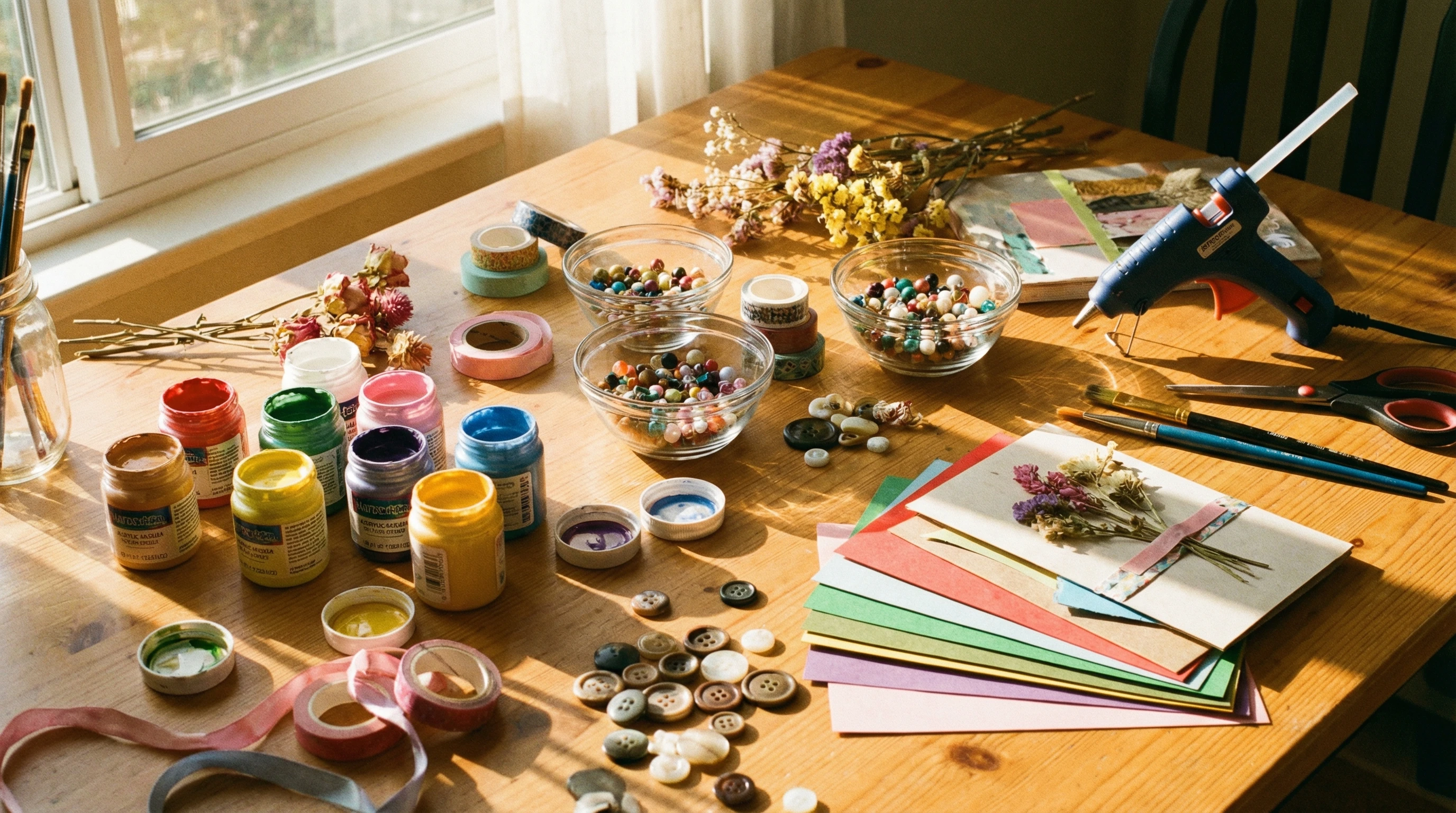
- Paints and Markers: Even a simple paint set can work wonders. Paint or draw unique designs, patterns, or even a little doodle to give your project extra personality.
- Beads, Buttons, and Charms: Adding different shapes, sizes, or colors can transform jewelry kits, fabric crafts, or keychains into something special.
- Stickers and Decals: These come in all styles, from playful to classy, and make decorating fast and easy.
- Yarn, Ribbon, or Fabric Scraps: Wrapping yarn around a candle, tying a unique bow, or sewing in a scrap of fabric can set your project apart.
- GlueOn Gems or Sequins: These turn even basic crafts into shiny, eyecatching pieces.
If you don’t have a big craft stash at home, your local dollar store or craft aisle usually has plenty of cheap extras. Mixing new supplies with what came in the kit means you can come up with all kinds of fun combinations. Don’t forget you can even repurpose materials you find around the house—like old buttons, scraps of wrapping paper, or leftover party decorations can infuse your project with a unique twist. Customization doesn’t have to be expensive, it just takes some imagination.
Step by Step: Personalizing Your DIY Craft Kit
- Gather Supplies: Unpack your kit and grab any extra materials you want to use. It helps to lay them out so you can see everything at a glance.
- Plan Your Design: Think about color schemes or patterns you love. Sometimes I sketch out a little rough draft or collect inspiration photos online.
- Test and Try: Don’t be afraid to try things out. Hold up a fabric swatch, lay out bead combinations, or dab a little paint on scrap paper until you find something you like.
- Start Crafting: Follow the basic steps from your kit’s instructions but swap materials or add your chosen details when it makes sense. For example, I might use a different embroidery thread, swap out the included paint for my preferred colors, or add my own finishes along the way.
- Add Finishing Touches: As you finish, glue on gems, add a signature mark, or tweak anything that could use an extra pop. This last step is where your unique style really shows.
There’s no wrong way to personalize your kit; just try, adjust, and enjoy the process. It’s more about the experience and learning what you love than following strict rules. If you’re ever stuck, taking a break and coming back with fresh eyes can spark new ideas or help you spot what would make your project stand out.
Common Questions About Customizing Craft Kits
There’s always a lot of curiosity around how to branch out or deal with common challenges when customizing your kit, especially if you’re new to crafting. Here are a few questions I get all the time:
What if I make a mistake while customizing?
Mistakes are part of crafting. Sometimes what doesn’t work out can lead to an even better design. If you do need to “fix” something, try covering it up with a sticker, button, or a layer of paint. Don’t worry—most mistakes end up being learning moments, and might inspire something even cooler later on.
Do I need fancy supplies to customize a kit?
Not at all. Simple add ons like washi tape, extra paints, or things you already have at home (like ribbon or oddball extras) work just fine. The goal is to experiment and have fun. If you’re on a budget, even magazine cutouts or fabric from old clothes can make perfect additions.
How can I get ideas for design or color choices?
Looking at pictures online, watching crafting videos, or visiting art stores can spark cool ideas. I keep a list of color combos I love on my phone for quick inspiration. You can also ask friends or scroll through social media hashtags related to crafts to see what catches your eye.
Can I combine parts from different kits?
Absolutely. Swapping beads from one kit to another or mixing paints can open up new project possibilities. Just make sure all the materials work together, especially if glue or special finishes are involved. It can be fun to challenge yourself by trying to use leftover items from multiple kits to make a brand new project.
Tips To Make Your Custom Craft Really Unique
When I’m looking to take a project to the next level, I focus on adding quirky details or finding ways to make the final product blend in with my personal style or home. Here’s what works for me:
Personalize With Initials or Names: Adding your name, a friend’s name, or initials makes gifts extra personal. Iron on letters, alphabet stickers, or embroidering names are all quick options.
Theme Your Project: Choose a specific color scheme, holiday, or mood to keep things cohesive. For example, using only greens and blues for a calming vibe or adding tiny stars and moons for a space theme. This helps your finished craft fit perfectly with your space or with a holiday celebration.
Incorporate Nature: Dried flowers, small stones, or pressed leaves collected from outdoors bring a natural feel that looks great and keeps things more memorable.
Experiment With Textures: Mixing felt, smooth beads, or rough jute gives depth to even simple projects. Sometimes adding one unique material or unexpected item is what makes your project pop.
Mixing and matching different techniques gives you a chance to stumble upon what fits your taste. Over time, you’ll find your own favorite styles and tricks, and each new kit will feel more you. If you keep a crafting journal or take photos of each project, you’ll be able to track your progress and spot trends in your own personal style.
Challenges For Beginners (And How I Tackle Them)
- Supplies Running Out: I like to save small bits and leftovers from every craft project. These come in handy for fixing mistakes or adding last minute flair, especially if the original kit doesn’t come with much extra. You can always trade extras with friends who craft too.
- Deciding When To Stop: It’s easy to keep adding more, but sometimes less really is more. If something looks finished but you’re unsure, try setting it aside for a day and taking another look before adding more details. Getting a second opinion from a friend can help you make that call.
- Dealing With Perfectionism: My first few projects had plenty of uneven lines and oops spots. I’ve found that letting go of perfection and celebrating progress makes the craft way more fun. Mistakes or “imperfections” usually make a piece more interesting and personal.
When project snags come up, I remind myself that it’s all practice. The next one will be even better. If you find yourself frustrated, take a break, or switch projects for a little while. Crafting should be relaxing and enjoyable, not stressful.
Next Steps: Growing Your DIY Craft Skills
Once you’re comfortable customizing beginner kits, you might want to branch out. Trying out new craft types, such as simple sewing, paper crafts, or painting, can keep things interesting. Crafting clubs or online communities are pretty handy for finding new inspiration and ideas. Sites like Pinterest, YouTube, or Reddit’s crafting forums are full of friendly folks sharing how they made something their own. You can post your finished projects for feedback and trade advice with others too.
As you build up your craft supply stash, you’ll get a better sense for what materials and styles you really like. You might even start skipping store kits in favor of planning your own projects from scratch. Just remember: creativity grows with each project you take on, and it’s all about enjoying the process, not just what you end up making. Tinkering with materials helps you build useful skills, and pretty soon you’ll be making things that are truly one of a kind. Whether you craft alone or with friends, every new project is another chance to get creative and discover what you love about handmade art.